We need Pipelines
Learn More`

Getting Where You Need to Go
Pipelines deliver affordable and plentiful fuels to help Americans get where we need to go.
Learn More 
Creating Jobs
Pipelines help create thousands of good-paying jobs all across America in the construction, manufacturing, professional and service industries.
Learn More 
Supplying Resources
From supplying raw materials for products we use every day to comfortably heating our homes, pipelines make our lives easier.
Learn More Resources
Find downloadable fact sheets, video content, social media graphics and other materials on subjects from pipeline safety and construction to consumer benefits and more.
View resources
Community
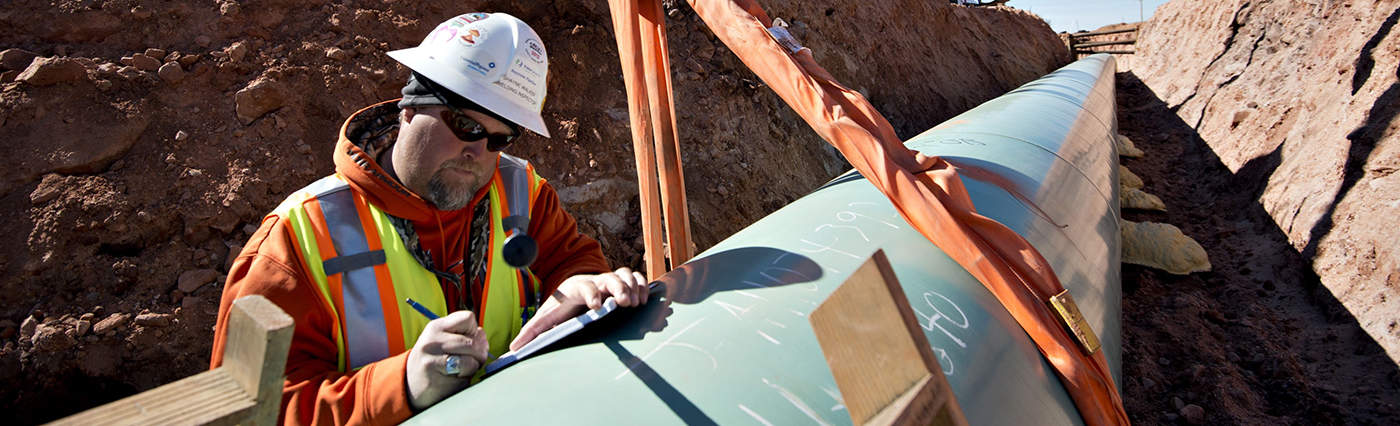
Pipeline operators know communicating with residents and other stakeholders who value safety, from advocates to the government, is vital to improving safety. We are committed to engaging with local communities and being good neighbors.
Learn more