Answers to Common Questions
What kinds of petroleum are transported through oil pipelines?
Oil pipelines transport liquid petroleum and some liquefied gases.
Crude oil pipelines provide transport for a wide variety of crude oils that vary widely in density, viscosity, sulfur content, and in other properties.
Product pipelines transport more than 50 refined petroleum products such as: various grades of motor gasoline, home heating oil, diesel fuel, aviation gasoline, jet fuels, and kerosene. For instance, Colonial Pipeline, the major product pipeline that stretches from Texas to New Jersey, transports almost 40 different formulations of gasoline alone - different grades of each mandated type of gasoline, the requirements for which vary seasonally and regionally. Liquefied ethylene, propane, butane, and some petrochemical feedstocks are also transported through oil pipelines.
Who owns the crude oil and products transported through oil pipelines?
Nearly all petroleum liquids transported are owned by shippers who arrange with pipeline companies for transportation. Generally, oil pipeline companies are separate from the producing oil companies, and the pipeline companies provide only transportation services (usually referred to as "common carrier services").
How are routes for new pipelines determined?
Potential routes are initially suggested by demand patterns, including:
- The predicted required flow of crude oil from a producing field to a refinery complex.
- The expected flow of refined products from a refinery complex to population centers or markets.
Pipeline route alternatives are then determined on the basis of studies of the cost of construction, projected growth in population centers, demand for transportation service over a period of time, and rates that are competitive and provide a reasonable return on investment.
Once alternatives have been analyzed, an environmental study helps to select the most feasible option in terms of protecting the safety of the environment and the safety of those who live in the vicinity of the proposed pipeline right-of-way. These environmental studies generally follow procedures set out by federal and state law, sometimes resulting in Environmental Impact Statements or Environmental Assessments that are published in draft form for public comment. There is no Federal law dealing with siting for liquid pipelines. Pipelines are sited under state law.
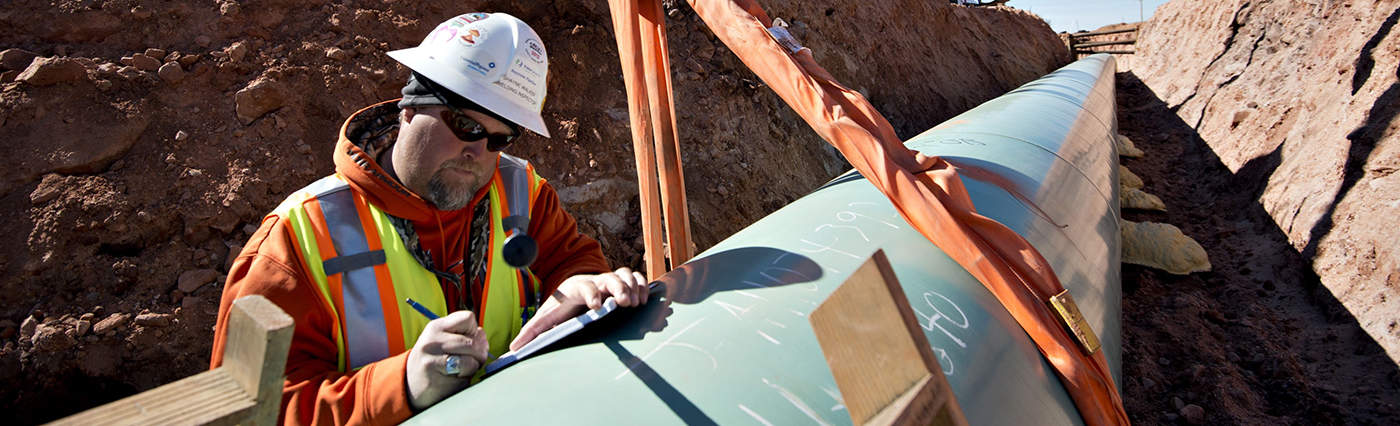
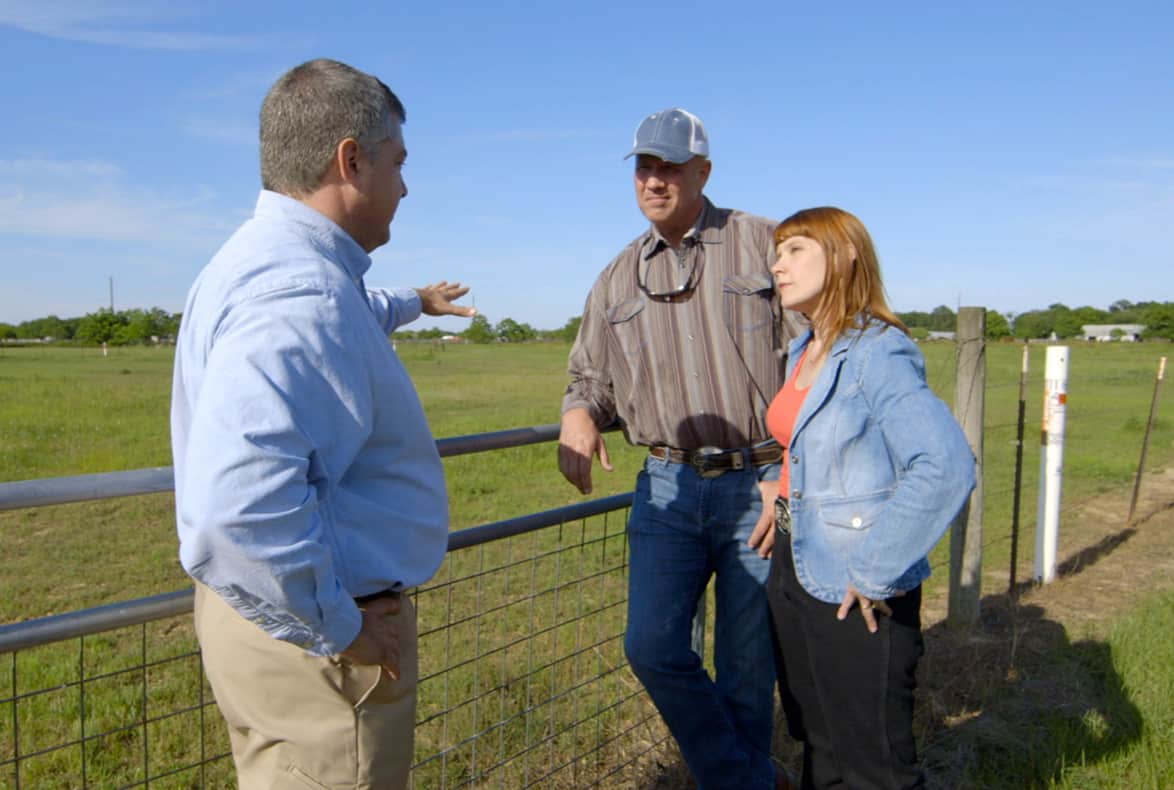
Permisssions must be obtained to use an easement corridor, the pipeline right-of-way. Owners of private and public property negotiate with the pipeline companies and sign leases for the use of their land.
What pushes petroleum through a pipeline?
In nearly every instance, centrifugal pumps driven by electric motors or, in some cases, by diesel engines or gas turbines are used to move oil through the lines. Pumps are located at originating and at booster stations and are remotely controlled at computerized central control centers staffed by highly trained operators.
How far apart are pumping stations?
Between 20 and 100 miles separate pumping stations, depending on the pressure at which the pipeline is operated and upon the terrain over or through which it runs.
Can pipeline flow direction be reversed?
Yes, but in most cases this requires elaborate and costly reworking.
How safe are oil pipelines?
Pipelines are extremely safe. From 2006-2008, there were only 0.7 incidents per thousand miles, a decrease of 63% from 1999-2001.
Pipelines also generally have a better safety record (deaths, injuries, fires/explosions) than other modes of oil transportation. For example, compared to the pipeline record, there are 87 times more oil transport truck-related deaths, 35 times more oil transport truck related fires/explosions and twice as many oil transport truck-related injuries. Tell me more about pipeline safety.
Pipelines are also environmentally friendly. For example, to replace a medium-sized pipeline that transports 150,000 barrels a day would require operating more than 750 trucks or a 75-car train every day.
How can you tell where a pipeline is located?
Pipelines are well marked to help prevent damage from digging, which is the most common cause of pipeline accidents. Yellow, black, and red warning signs or identification markers are located at frequent intervals along the pipeline right-of-way. Warning signs are also located at roads, railroads and water crossings, and at other prominent points along the route. Pumping stations, tank farms, and cleared rights-of-way also help signal where a pipeline is located.
The public can find pipeline location information one county at a time using the National Pipeline Mapping System Public Map Viewer. The Public Viewer limits the scale of the maps shown, in accordance with PHMSA’s security policy.
Anyone planning to dig should call 811, the national "call-before-you-dig" number which puts operators, homeowners, and professional excavators in contact with underground utilities. When calling 811 from anywhere in the country, a call is routed to the local One Call Center. Local Once Call Center operators discern the location of the digging job and route the call to affected infrastructure companies. Utility companies send a professional locator to the location to mark lines within a few days. Once the underground lines have been marked, excavators are clear to begin digging. These calls are extremely important as they can help avoid pipeline ruptures resulting from digging which is the largest single cause of pipeline spills. Tell me more about preventing accidents.
How does a pipeline operator determine if a leak or rupture has occurred?
Many systems are used to identify leaks; generally a single pipeline will employ several methods. For example, sensitive instruments are monitored to detect conditions such as a drop in pressure or a change in the flow rate that might indicate a rupture. Also, lines are frequently inspected on foot, by car or from aircraft. Leaks rarely occur but many of them are due to third-party damage caused by someone digging near the pipeline. Excavation damage by third parties, other underground facility operators and pipeline operators or their contractors tend to be large incidents and occur in the public right-of-way, although they accounted for only seven percent of release incidents from 1999-2008. Most of these accidents can be prevented by using the One Call system to identify the location of nearby pipelines. The national “call-before-you-dig” number is 811, which routes the call to a local One Call Center. Industry has worked closely with the Common Ground Alliance (CGA) to develop best practices for damage prevention programs.
Public awareness is a key component of pipeline safety. Operators ensure emergency responders, local officials, and residents along pipeline routes are provided useful information regarding pipeline activities and safety procedures.
Pipeline operators take many steps to prevent leaks. Pipelines are often monitored through regular in-line inspections and use of “smart pigs,” which detect anomalies in the pipe that need to be addressed, such as corrosion, pipeline deformation, cracking and other abnormal features. This technology includes sensitive internal detection devices such as magnetic flux leakage tools (MFL) and ultrasonic testing to examine pipeline wall thickness and detect features. Pipe manufacturers and construction crews apply protective coatings to safeguard the outside surface of the pipe and pipeline welds from corrosion. Companies also employ a cathodic protection system to control the corrosion of steel by applying a small electrical current on the pipeline, which inhibits corrosion.
At what speed does oil move through a pipeline?
Product moves from three to eight miles per hour depending upon line size, pressure, and other factors such as the density and viscosity of the liquid being transported. At these rates, it takes from 14 to 22 days to move liquids from Houston, Texas to New York City.
Are pipeline rates negotiated with shippers?
Pipeline rates are contained in tariffs published by the pipeline and kept on file with the Federal Energy Regulatory Commission (FERC). All shippers pay the same published rates for the same services. FERC regulations allow for rate negotiation if the negotiated rate is available and acceptable to all shippers.
Do shippers on oil pipelines know the volumes, destinations, or routing of liquids being transported for competing shippers?
No. Disclosure of this information is prohibited by law.